
Residential · July 2026
How Long Does Tile Underlayment Really Last in Arizona?
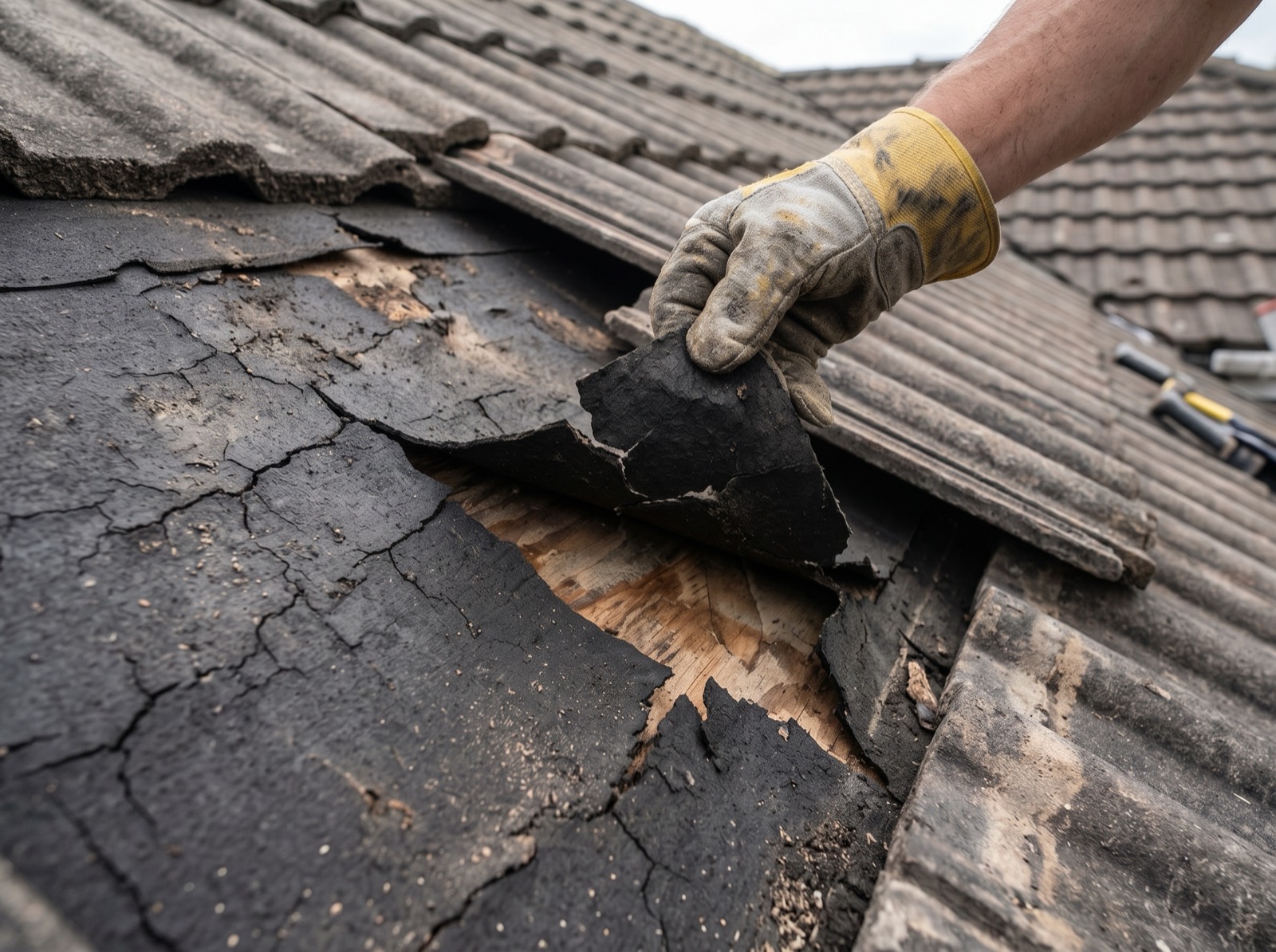
Concrete and clay tile roofs are everywhere in the Valley for good reason: the tile itself shrugs off sun that destroys almost every other roofing material. But a tile roof is a two-part system, and the part you cannot see is the part doing the waterproofing.
The tile is not the waterproofing
Tile sheds most of the water and takes the beating from the sun. The underlayment beneath it, a membrane fastened to the roof deck, is what actually keeps water out of your house. When a tile roof leaks, the tile is almost never the problem. The underlayment is.
What the Arizona sun does to it
Under tile, deck temperatures in a Phoenix summer routinely pass 150 degrees. Day after day, year after year, that heat cooks the oils out of asphalt felt until it turns dry and brittle. Then monsoon season drives water sideways under the tile, and brittle felt cracks instead of flexing. That is why so many Valley tile roofs start leaking at 15 to 25 years old while the tile above still looks brand new.
The three underlayment classes, and how long they last here
Asphalt felt (#30 and #40). The original underlayment on most tile roofs built before the 2000s. In Arizona heat, plan on 15 to 20 years. If your roof still has its original felt, it is on borrowed time.
Synthetic underlayment. Woven polymer sheets that resist tearing and handle heat far better than felt. Depending on the product class, 25 to 40 years. This is the workhorse choice for most re-roofs today.
High-temperature self-adhered membranes (SBS). Peel-and-stick modified bitumen rated for hot decks. The most durable option available, and the one we point long-term owners toward. Install it once and stop thinking about your roof.
Match the underlayment to how long you will own the home
Selling in the next few years? A quality synthetic protects the home, satisfies the buyer's inspector, and keeps the project economical. Planning to stay? The high-temp self-adhered membrane costs more up front and is the last underlayment that roof will need. We price both options on every tile job so you can make that call with real numbers.
The good news
Underlayment replacement does not mean a new roof. We lift and stack your existing tile, replace the membrane beneath it, and reset the original tile, matching any that break. The roof looks the same from the street. It just works again.
Not sure what is under your tile? An inspection answers it in one visit.
Request a Quote Call (602) 802-8795